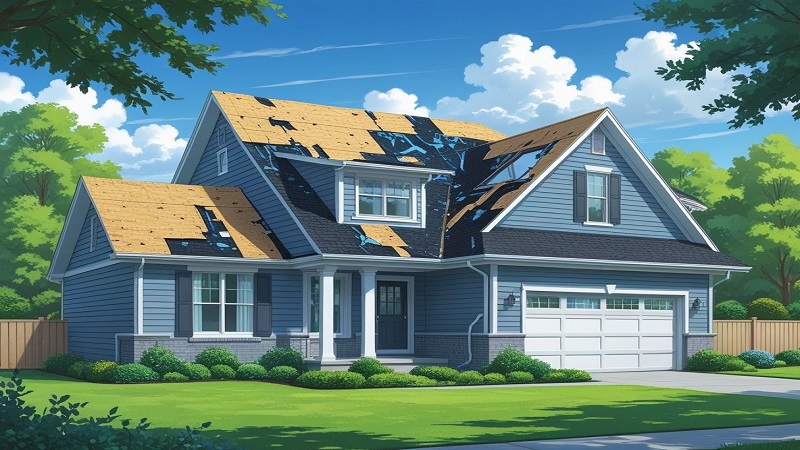
Your roof protects your Blue Ash home from rain, snow, wind, and extreme temperatures, but it won’t last forever. Most homeowners don’t think about their roof until problems become obvious, yet catching early warning signs can prevent costly water damage and structural issues.
Recognizing when a roof needs replacement rather than simple repairs can save thousands of dollars in emergency fixes and interior damage. Common indicators include missing or damaged shingles, water stains in the attic, sagging sections, and granules collecting in gutters. The age of the roof also plays a significant role, as most asphalt shingle roofs last between 20 to 25 years under normal conditions.
Blue Ash homeowners face unique challenges from Ohio’s variable weather, including heavy winter snow loads and summer storms that accelerate roof deterioration. Understanding which signs require immediate attention versus routine maintenance helps property owners make informed decisions about repair or replacement timing.
Critical Signs You Need Roof Replacement in Blue Ash
Recognizing when a roof has reached the end of its useful life can prevent extensive damage to a home’s interior and structure. Key indicators include the roof’s age relative to its material type, visible water infiltration and staining, compromised or absent shingles, and structural irregularities in the roofline.
Age of Roof and Roofing Material
The age of a roof serves as one of the most reliable indicators for determining replacement needs. An asphalt shingle roof typically lasts 20 to 25 years under normal conditions, while other roofing materials have different lifespans. Metal roofs can last 40 to 70 years, and tile roofs may endure for 50 years or more.
Homeowners should document their roof’s installation date and compare it against the expected lifespan of their roofing material. An asphalt shingle roof approaching or exceeding 20 years requires close inspection, even if no obvious problems exist. The combination of roof age and visible wear patterns provides a clear signal that replacement may be necessary soon.
Environmental factors in Blue Ash, including seasonal temperature fluctuations and storm activity, can accelerate aging. A roof installed 15 years ago that shows significant deterioration may need replacement sooner than one of the same age with minimal wear.
Water Damage, Leaks, and Water Stains
Water stains on ceilings or walls indicate roof leaks that require immediate attention. These stains often appear as discolored patches, rings, or streaks and suggest water has penetrated the roofing system. Water damage can compromise roof decking, insulation, and interior structures if left unaddressed.
Active roof leaks may manifest as dripping water during rain or visible moisture in attic spaces. Homeowners should inspect attics for signs of water infiltration, including damp insulation, mold growth, or daylight visible through roof boards. Water leaks that persist despite repairs often indicate widespread roof failure requiring full replacement.
Multiple leak locations suggest systemic problems rather than isolated damage. A single repaired leak may extend the roof’s life temporarily, but recurring water damage across different areas points to material breakdown. When water stains appear in multiple rooms or the attic shows extensive moisture damage, a new roof becomes necessary to protect the home’s structural integrity.
Damaged or Missing Shingles
Missing shingles create immediate vulnerabilities where water can penetrate the roof system. Wind, storms, and age-related adhesive failure cause shingles to detach, leaving exposed areas susceptible to water damage. A few missing shingles can be replaced individually, but widespread loss indicates broader roof deterioration.
Cracked shingles signal material breakdown from UV exposure, temperature cycling, and weathering. These cracks allow water infiltration and compromise the roof’s protective function. Damaged shingles may also show curling edges, loss of granules, or brittleness that causes them to break when touched.
When an asphalt shingle roof displays extensive granule loss, bald spots become visible across the surface. Granules protect shingles from UV damage and weathering, and their absence accelerates deterioration. Checking gutters for excessive granule accumulation helps identify this problem. Roof damage affecting more than 25 to 30 percent of the total surface typically warrants replacement rather than piecemeal repairs.
Sagging or Uneven Rooflines
A sagging roof represents a serious structural issue requiring immediate professional evaluation. This condition indicates compromised roof decking, damaged support structures, or excessive moisture accumulation within the roofing system. Sagging appears as visible dips, depressions, or curves in areas that should be flat or uniformly sloped.
Uneven rooflines suggest foundation settling, structural damage, or failed roof supports. Homeowners can identify uneven rooflines by stepping back from the property and visually inspecting the roof’s profile against the sky. Any noticeable waviness or irregularity requires investigation.
Compromised roof decking often accompanies sagging conditions. When decking deteriorates from prolonged water exposure or structural stress, it loses the ability to support roofing materials properly. This creates a dangerous situation where the roof’s integrity is fundamentally compromised, making replacement the only safe option.
Additional Warning Signs and What to Do Next
Beyond the obvious indicators of roof damage, several subtle signs can reveal underlying problems that require immediate attention. Recognizing granule loss, mold development, flashing damage, and knowing when to seek professional help protects homes from escalating damage and costly repairs.
Granule Loss and Shingle Granules in Gutters
Asphalt shingle roofs shed granules as they age, and excessive granule loss signals that shingles have reached the end of their lifespan. Homeowners often discover shingle granules collecting in gutters and downspouts during routine maintenance.
When granules wear away, the asphalt layer beneath becomes exposed to UV rays and weather elements. This exposure accelerates deterioration and compromises the roof’s ability to protect the home. Fresh shingle granules may appear in gutters during the first year after installation, but continuous shedding indicates advanced wear.
Bald spots on shingles or large quantities of granules in gutters require immediate inspection. A roof inspection can determine whether isolated shingle replacement suffices or if complete replacement becomes necessary.
Mold Growth and Peeling Paint
Mold growth on exterior walls or peeling paint near the roofline often indicates moisture infiltration from roofing issues. These signs suggest that water penetrates through damaged areas and affects the home’s structure.
Interior mold development in attics or upper floor ceilings points directly to roof leaks. Moisture trapped in attic spaces creates ideal conditions for mold proliferation, which poses health risks and structural concerns. Paint that bubbles or peels away from soffits and fascia boards signals persistent moisture problems.
Addressing mold growth requires identifying and fixing the source of water intrusion. Professional roofers can trace moisture patterns back to specific roof defects and recommend appropriate solutions.
Damaged Flashing and Roof Repairs
Flashing around chimneys, vents, skylights, and roof valleys prevents water from seeping into vulnerable joints. Damaged flashing ranks among the most common causes of roof leaks in Blue Ash homes.
Rust, cracks, or missing sections of flashing allow water to penetrate beneath shingles and into the underlayment. Wind-driven rain exploits these weaknesses, causing water damage that spreads throughout the roofing system. Improperly installed flashing during previous roof repairs often fails prematurely.
Minor flashing damage may only require targeted roof repair, while widespread deterioration suggests the need for complete replacement during a full roof installation.
When to Contact Roofing Companies and Professional Roofers
Scheduling a roof inspection when multiple warning signs appear prevents minor issues from escalating into major problems. Roofing companies in Blue Ash offer comprehensive evaluations that assess structural integrity and remaining lifespan.
Professional roofers provide detailed reports outlining necessary repairs versus replacement recommendations. They identify hidden damage that homeowners cannot detect from ground level. A roof inspection typically costs less than emergency repairs after catastrophic failure.
Homeowners should contact roofing companies immediately when they notice active leaks, significant granule loss, or structural sagging. Waiting to address these roofing issues increases repair costs and risks interior damage to ceilings, walls, and insulation.