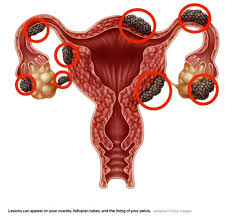
For many women, surgery for endometriosis is a major step toward long-term relief from chronic pelvic pain, heavy periods, and other symptoms. While surgery can dramatically improve quality of life, it’s important to understand that recovery involves managing pain, adjusting to changes in your body, and following a carefully planned rehabilitation strategy.
With expert guidance from clinics such as Advanced Gynaecology Melbourne, most patients experience a gradual reduction in pain, improved function, and renewed energy—but knowing what to expect can help you navigate the process more confidently.
Understanding Pain After Endometriosis Surgery
Endometriosis surgery, often performed via laparoscopy, involves removing or excising endometrial lesions, scar tissue, and adhesions. Even though the surgery aims to reduce chronic pain, it is still invasive, so some level of post-operative discomfort is normal. Pain can vary depending on:
- The extent of disease removed
- The type of surgical procedure performed
- Individual pain tolerance and overall health
- Presence of adhesions or prior surgeries
According to Alex Ades, patients often experience a combination of incisional pain, internal cramping, and pelvic soreness in the first few days after surgery. This is a normal part of healing and typically improves as the body recovers.
Immediate Post-Operative Pain (First 24–72 Hours)
Immediately after surgery, pain is usually managed with prescribed medications such as:
- Oral or intravenous analgesics (paracetamol, NSAIDs, or opioids in severe cases)
- Local anaesthetic injections for incision sites
- Anti-inflammatory medications to reduce swelling
Patients may also notice:
- Shoulder or upper back pain from carbon dioxide used during laparoscopy
- Mild bloating or abdominal cramping
- Fatigue and general body aches
Advanced Gynaecology Melbourne recommends gentle movement, hydration, and deep breathing exercises to help reduce discomfort and prevent complications like blood clots.
Short-Term Pain (First 2 Weeks)
After discharge, many patients notice a gradual decrease in acute pain, but some discomfort persists, especially in areas where adhesions were removed. Pain management strategies during this phase include:
- Scheduled use of over-the-counter pain relief
- Short walks or light stretching to improve circulation
- Heat therapy (warm packs) for abdominal or pelvic cramps
Alex Ades emphasizes that this is also a critical period for monitoring symptoms. Persistent or worsening pain may indicate complications such as infection or internal bleeding, which should be assessed promptly.
Medium-Term Pain (2–6 Weeks)
By the second week, most women notice significant improvement in their baseline endometriosis pain, although soreness, twinges, or fatigue may continue. Recovery at this stage can be supported by:
- Gradually increasing physical activity, including gentle yoga or pelvic floor exercises
- Maintaining a healthy, anti-inflammatory diet to reduce systemic inflammation
- Attending follow-up appointments with your surgeon to monitor healing
Advanced Gynaecology Melbourne advises patients to report any new or unusual pain, bloating, or digestive issues, as these can be signs of adhesions or delayed recovery.
Long-Term Pain Management (6 Weeks and Beyond)
For many women, the most dramatic pain relief occurs within 3–6 months after surgery. Residual pain may still occur due to:
- Deep lesions not fully excised
- Scar tissue forming in sensitive areas
- Hormonal influences, particularly during menstruation
Alex Ades notes that some patients may benefit from adjunct therapies including:
- Hormonal treatments (e.g., oral contraceptives, progestins) to suppress endometriosis recurrence
- Physiotherapy or pelvic floor therapy for chronic pain management
- Mind-body techniques, including mindfulness, meditation, and guided relaxation
Most importantly, ongoing communication with your healthcare team ensures that any persistent pain is addressed promptly.
Tips for Reducing Post-Surgery Pain
- Follow Medication Guidelines: Take prescribed medications on schedule and avoid skipping doses.
- Gentle Movement: Short walks improve circulation and reduce stiffness.
- Dietary Support: Incorporate anti-inflammatory foods like leafy greens, berries, and omega-3-rich fish.
- Adequate Rest: Sleep is essential for tissue repair and pain regulation.
- Follow-Up Appointments: Attend all scheduled visits to monitor recovery and catch complications early.
- Pelvic Floor Exercises: Strengthening muscles can reduce discomfort and improve core stability.
Clinics like Advanced Gynaecology Melbourne provide tailored recovery plans to support patients through this period and maximize pain relief outcomes.
When to Seek Help
While some discomfort is expected, certain symptoms require prompt attention:
- Fever or signs of infection at the incision site
- Severe, unrelenting pelvic pain
- Unusual bleeding or discharge
- Persistent nausea, vomiting, or digestive issues
Early intervention can prevent complications and improve recovery outcomes.
Final Thoughts
Pain relief after endometriosis surgery is a gradual process. While initial discomfort is normal, most women experience a substantial reduction in chronic pain within weeks to months, particularly when supported by a comprehensive post-operative plan. Recovery is influenced by surgical technique, individual health factors, and adherence to post-surgery guidelines.
With expert care from providers such as Advanced Gynaecology Melbourne, combined with careful attention to activity, diet, and follow-up, women can navigate recovery confidently and enjoy improved quality of life. By understanding what to expect and preparing both physically and mentally, post-surgery pain becomes a manageable part of the journey toward long-term relief from endometriosis.